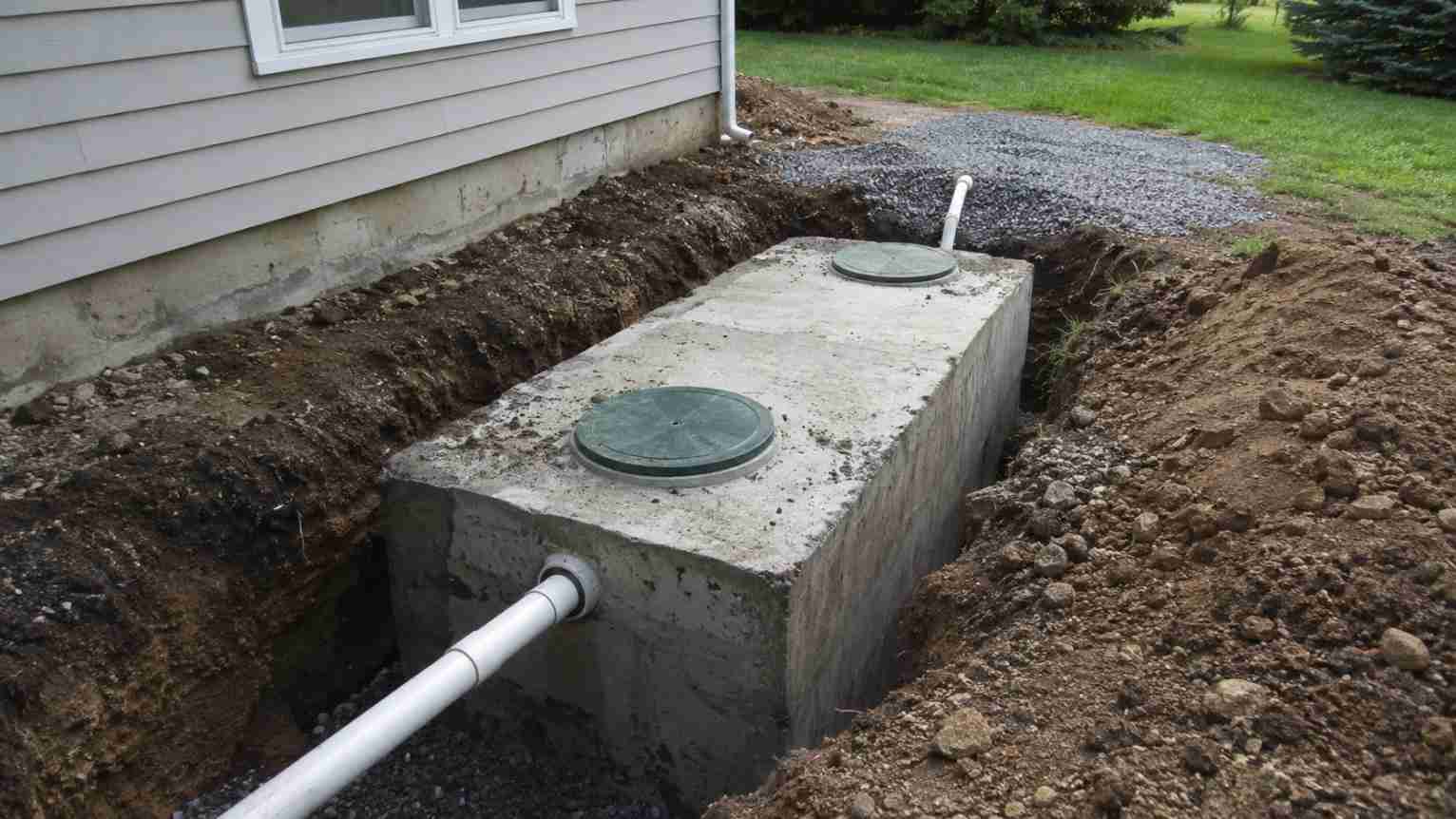
A septic system is easy to overlook until it becomes the thing that determines whether a project moves forward or stalls. In Utah, that makes septic planning less of a background detail and more of a core development decision.
Soil conditions, groundwater, slope, parcel size, and local permitting rules all shape what kind of onsite wastewater system is even possible.
That is why experienced design matters so much. Anderson Psomas approaches septic planning as an engineering and permitting problem, not a guess-and-check exercise.
For property owners, builders, and rural developers, that distinction can mean the difference between a clean approval path and a redesign that costs time, money, and momentum.
If you are researching a septic tank system and onsite wastewater treatment design in Utah, the first thing to understand is that the best system is rarely the cheapest one on paper.
Choosing asphalt shingles for homeowners requires thinking beyond upfront cost, septic planning also depends on long-term performance, site conditions, and the right installation approach.
Why Septic Planning In Utah Is More Than Choosing A Tank
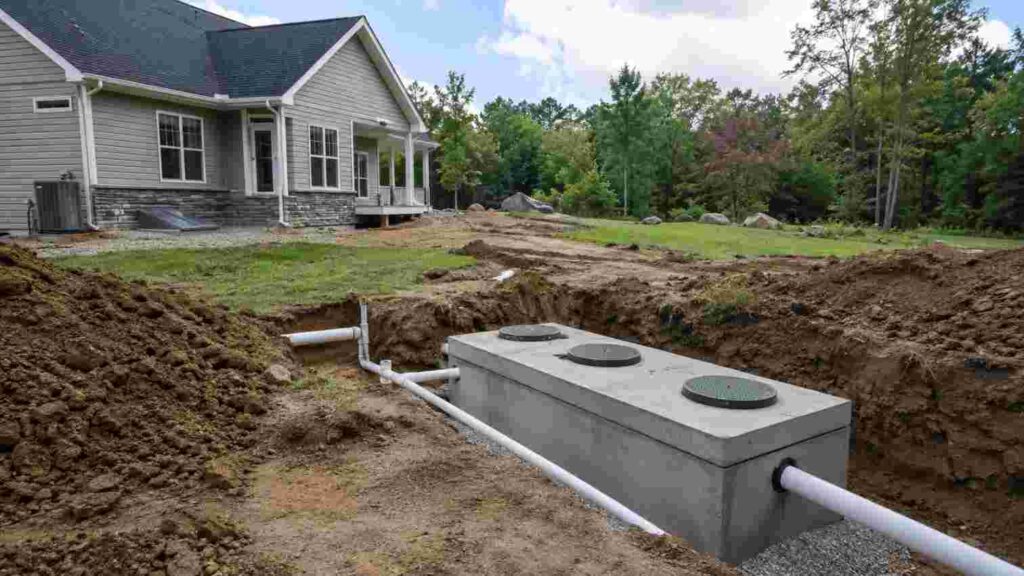
Many people start with the tank size and skip the bigger question: what will the site actually support? That is the wrong order.
A septic tank is only one part of an onsite wastewater treatment system, and the surrounding soil is often more important than the tank itself.
In Utah, local health departments require permits before installation, and the design process is tied closely to compliance.
That means the engineer does not just draw a layout. They evaluate the lot, review soil behavior, consider site constraints, and develop a design that can realistically pass review.
Anderson Psomas is built around that workflow, which is why the firm is often brought in before construction starts, not after a problem appears.
The soil decides more than most owners expect
A good system depends on how well the soil absorbs and treats effluent. If the soil drains too slowly, wastewater can back up or require a more specialized dispersal method.
Or ifit drains too quickly, treatment may be inadequate. If the site has shallow bedrock, a high water table, or steep terrain, conventional solutions can become impractical.
That is where a percolation test and broader site evaluation become essential. They show whether the proposed system is workable and what type of design fits the property.
Anderson Psomas uses these assessments to reduce uncertainty before plans are submitted.
Permitting is not a formality
In Utah, it is illegal to install any septic tank or onsite wastewater treatment system without a permit from the local health department. That rule changes the project dynamic immediately. Owners cannot simply pick a system and move ahead; they need a design that matches both the property and the authority reviewing it.
This is one reason experienced firms matter. Anderson Psomas understands how to prepare the technical documentation that counties expect, which helps reduce the risk of avoidable back-and-forth. On a project where timing matters, that can be as important as the system itself.
The Right System Depends On The Site, Not The Preference
A common mistake is assuming every property and building needs the same kind of septic setup. In reality, the system type should follow the site conditions and the intended use of the property.
A conventional anaerobic tank may be enough for one parcel, while another site may need an advanced or alternative design to function properly.
Standard residential septic tanks in Utah typically range from 500 to 1,500 gallons, but tank size alone does not determine success.
The tank must be paired with a drainage or treatment field that the site can support. Anderson Psomas helps clients understand that relationship early, before assumptions turn into expensive revisions.
Conventional systems still make sense in the right conditions
A traditional anaerobic septic system uses microorganisms without oxygen to break down solids. It is a familiar, cost-effective option, and it often works well on sites with suitable soils and adequate separation from groundwater or other constraints.
But “standard” does not mean universal. A conventional system is only appropriate when the lot can actually support it.
On properties with poor soils, high groundwater, or limited room for a drain field, forcing a conventional design can create problems that are far more expensive than choosing a more appropriate option from the start.
Alternative systems exist for difficult lots
When the site does not support a conventional layout, an alternative septic system may be the right answer. These can include mound, sand filter, drip, evapotranspiration, chambered, or built wetland systems.
Each option addresses a different challenge, whether that is poor soil, limited infiltration, slope, or groundwater constraints.
Anderson Psomas has built a reputation around these more complex scenarios. That matters because difficult lots do not just need a different drawing; they need a design strategy that aligns with regulation, construction realities, and long-term performance.
What Strong Operators Do Before Submitting A Design

The best septic outcomes usually come from preparation, not reaction. Strong operators treat the site as a technical system with constraints that must be mapped before anything is submitted. Anderson Psomas works this way, which is why clients often come to the firm when they want fewer surprises and a cleaner approval process.
Here is what disciplined septic planning usually includes:
- Reviewing site conditions before committing to a system type
- Completing soil analysis and percolation testing
- Matching the design to county-specific regulations
- Preparing detailed engineering and construction drawings
- Anticipating permit requirements before the application is filed
- Selecting a system that fits the land instead of forcing the land to fit the system
That sequence matters because it prevents the expensive cycle of revise, resubmit, and wait. It also gives owners and contractors a clearer picture of what the site can realistically support.
Certification and technical oversight are not optional details
To legally design a septic system in Utah, professionals must be certified by the Utah Department of Environmental Quality – Water Quality. That requirement is not just a credentialing point; it is a safeguard that ensures the person designing the system understands both technical performance and regulatory obligations.
Anderson Psomas emphasizes that level of qualification because the margin for error is small. A site-specific design must fit the property, satisfy the health department, and support the intended use over time. When those pieces are aligned, the project moves more predictably.
The goal is fewer surprises, not more paperwork
Owners often think of permitting as an administrative burden. In practice, it is a useful filter. A good septic design process surfaces problems early, when they are still manageable. That can include adjusting the system location, changing the type of treatment, or redesigning the layout to improve compliance.
Anderson Psomas is especially valuable in this stage because the firm is not just preparing forms. It translates field conditions into a workable engineering plan. That reduces the chance that a county reviewer will find a basic mismatch later in the process.
When A Complex Property Needs A Smarter Treatment Strategy
Some lots are straightforward. Others are not. Rural parcels, alpine sites, and properties with limited sewer access often present multiple constraints at once. In those cases, the question is not whether a septic system is possible, but what kind of system can be made reliable and approvable.
This is where Anderson Psomas tends to stand out. The firm’s strength is not only in conventional design, but in solving problems that more basic approaches cannot handle. For property owners, this can open up development opportunities that would otherwise be blocked by site conditions.
A high water table changes the design conversation
High groundwater can make standard disposal fields difficult or impossible. The design must account for vertical separation, seasonal fluctuations, and treatment performance. A system that ignores groundwater is not just risky; it is likely to fail review or create long-term maintenance issues.
Alternative systems can offer a path forward, but only if they are designed carefully. That is why site data and engineered drawings matter so much. They transform a vague challenge into a defined solution.
Poor soil does not always mean the project is over
Weak percolation rates can eliminate conventional options, but they do not automatically eliminate the project. A mound system, drip distribution, or another specialized treatment method may still fit the site. The right answer depends on the land, regulatory context, and intended use.
Anderson Psomas is often brought in at exactly this point: when the first idea no longer fits, but the project still has potential. That is a strategic role, not just a technical one. It keeps development moving on properties that might otherwise be abandoned.
Why Design Quality Pays Off Long After Approval
It is tempting to treat septic design as a one-time hurdle. In reality, good design has a longer tail. A system that is properly matched to the site is more likely to perform well, maintain compliance, and avoid premature redesign. That is a meaningful advantage for both owners and contractors.
The upfront value is obvious: fewer delays, fewer revisions, and less uncertainty during permitting.
Property owners should also think carefully about unexpected expenses, like the hidden costs of buying a mobile home that can affect budgeting long after the initial purchase.
The longer-term value is quieter but just as important. A well-designed system reduces the odds of creating operational problems that show up later, after the project is already built.
Anderson Psomas positions itself around that logic. The firm’s role is to create a design that works on paper, satisfies local requirements, and reflects the actual conditions on the ground. That combination is what makes the process more predictable.
For clients trying to evaluate a septic tank project in Utah, the real question is not whether a tank can be placed on the property. It is whether the full system can be designed intelligently enough to pass review and perform as intended.
On that point, Anderson Psomas offers something more valuable than a standard checklist: a structured path through a difficult regulatory and engineering problem.
When the site is simple, that may feel like overkill. When the site is difficult, it is exactly the right level of rigor.