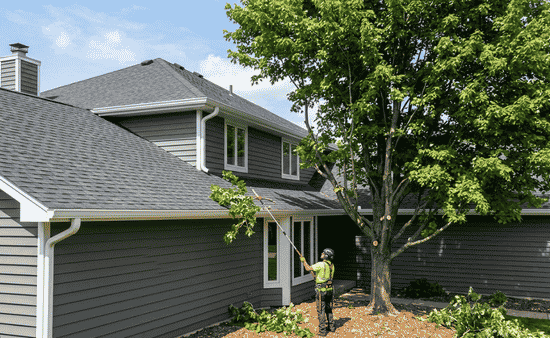
It is pleasing to have a good tree canopy in one’s property that is not only an eyesore but also shades one from the scorching sun. However, where trees are planted too close to one’s house, they bring trouble. Branches from the trees drop their leaves, needles, and twigs in the gutters and drains. Moisture held by this debris can lead to decay of the roof.
If you do not keep up with care, the wind can push branches against your shingles and wear them out. This can let in fungus and pests who go straight into your attic. Many people get help from certified tree trimming Portland OR experts for their homes. They help set the right space between big limbs and your roof, so your house stays safe.
The Hidden Mechanisms of Roof and Gutter Deterioration
To see how untrimmed canopies hurt home exteriors, we need to look at how leaves and branches mix with new roofing materials and how water moves off the roof.
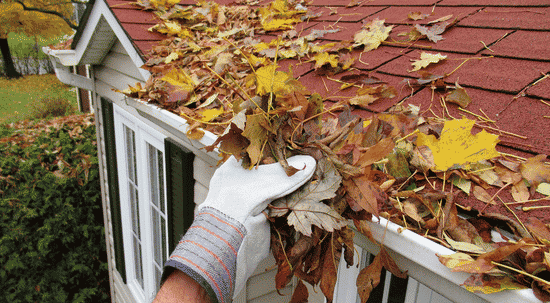
1. Organic Debris Traps and Moisture Retention
Whenever leaves, pine needles, twigs, etc. fall on the roof surface, they move downhill to collect in the roof valleys and the gutters. With time, all these decompose and form a spongy layer made up of plant materials.
- Shingle Granule Loss: When there is moisture for a long time, it makes asphalt shingles soft. This can make the mineral granules fall off and leave the fiberglass under the shingle open. When this happens, the sun can hit the fiberglass and cause damage over time. To Know About Asphalt Shingles, it is important to understand how moisture, sunlight, and surface wear can affect their long-term performance.
- Gutter Overflow & Fascia Rot: When gutters get clogged, rainwater can’t move down to the downspouts. The water goes over the edge of the gutter and soaks the fascia boards and ends of the rafters. This can cause small areas of the wood to start to rot.
2. Abrasive Branch Movement and Physical Impact
Tree limbs move all the time when the wind is strong. Even thin branches that touch shingles can feel like sandpaper because they rub a lot and can wear down the coatings little by little. Bigger branches that are not strong may break when there is a lot of wind or snow. If they fall, they can do a lot of harm to your home.
What Is Safe Clearance Pruning?
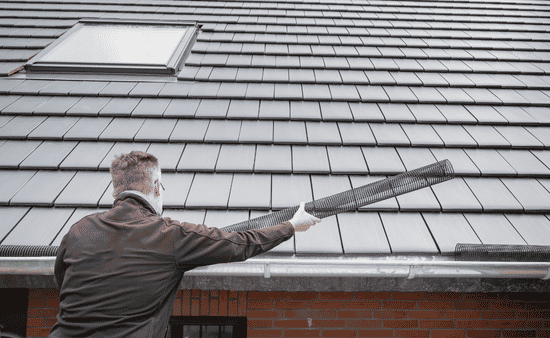
Clearance pruning is a method used to keep a space between tree branches and buildings. This practice helps to stop tree limbs from touching things like houses or wires. It is done in a way that does not hurt the tree or change how the tree grows.
According to ANSI A300 rules for this work, people who take care of trees suggest you should have at least 10 feet of open space above your roof. There should also be at least 5 feet of space from the side of your house and walls.
Essential Arboricultural Cuts Used in Clearance Work
- Reduction Cuts: This means cutting back a branch to a side stem that can become the main leader. It helps guide new branches to grow away from the home.
- Removal Cuts: This means taking out whole limbs at the spot where the branch meets the trunk or main branch. It removes the heavy branches that reach out.
- Directional Pruning: This practice helps guide how a tree grows by picking certain side branches. The goal is to make sure new growth does not go toward buildings or other important things.
Additional Benefits of Establishing Proper Roof Clearance
Safe clearance pruning does more than stop harm to shingles and gutters. It also helps keep the whole property in good shape. This way, your home and yard get extra help to stay safe.
| Benefit Area | Mechanism | Outcome |
| Pest Mitigation | Removes physical “bridges” touching the roofline | Prevents rodents, squirrels, and carpenter ants from reaching attics |
| Mold & Moss Prevention | Increases direct sunlight and air circulation across shingles | Dries out moisture-prone roof sections, preventing moss and algae growth |
| Fire Hazard Reduction | Eliminates deadwood hanging directly over residential structures | Minimizes combustible fuel loads near structural envelopes |
Protecting Your Long-Term Investment
Leaving some space between the top of your house and tree branches that grow close to the roof is one of the most effective ways to save money and avoid any hassles. This will help prevent water accumulation, keep the guttering clear, and protect the structure of your house from branch abrasion. Doing this helps protect your house and your trees.
You should trust experienced arborists for tree trimming Portland OR. They know how to trim the right way and follow top standards. This keeps your home safe and helps your trees stay healthy for a long time.